I write this one whilst eagerly awaiting to board the Eurostar. I am tetchy because I arrived several hours early in fear that North Western Railway would smite me like it has done on multiple occasions over the past few months. But I am in St Pancras, drinking a sterile coffee and watching an American tell literally everyone (including myself) that the seats next to him are in fact taken. Like any of us actually believe that this oaf has friends.
Following a disastrous period of rain in July, I decided I needed a holiday. I felt I would ride out the remainder of 2023 inland (whilst admittedly waiting on a new passport) and then travel during the peak of Winter, where narrowboating is in theory at its least fun.
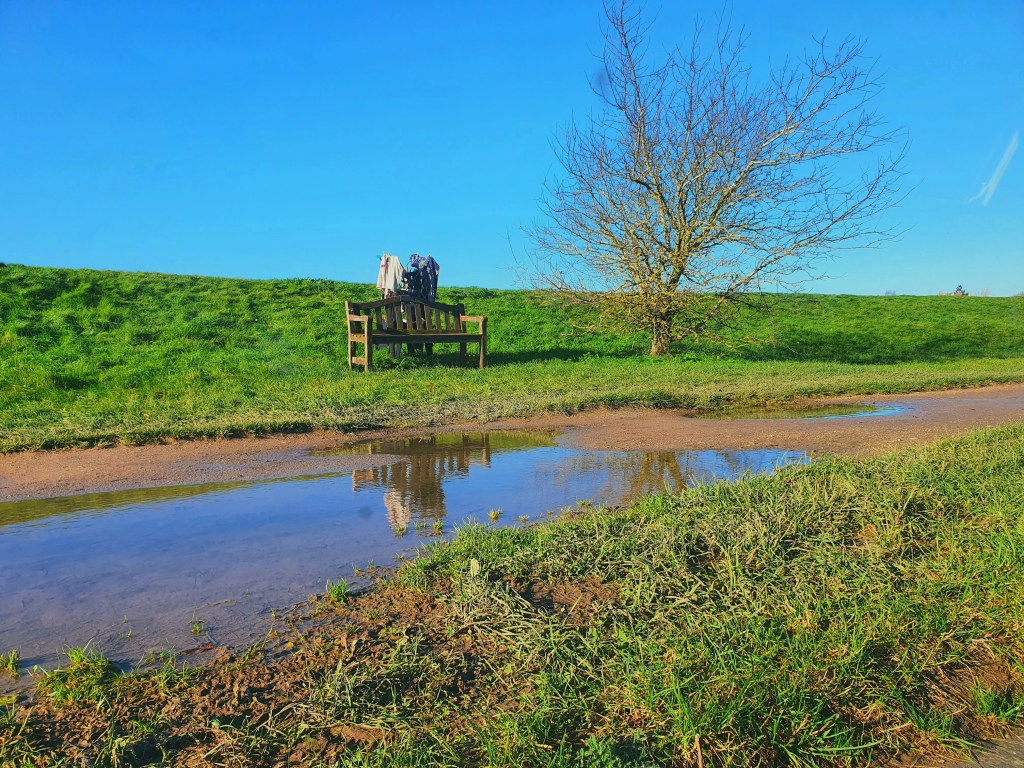
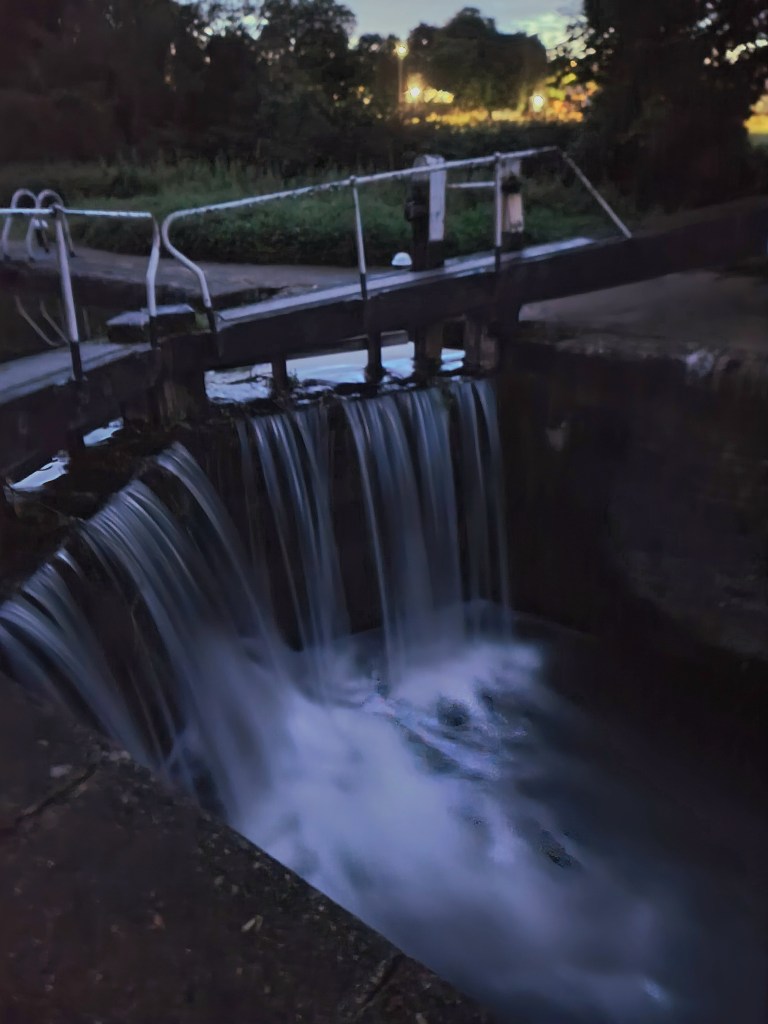
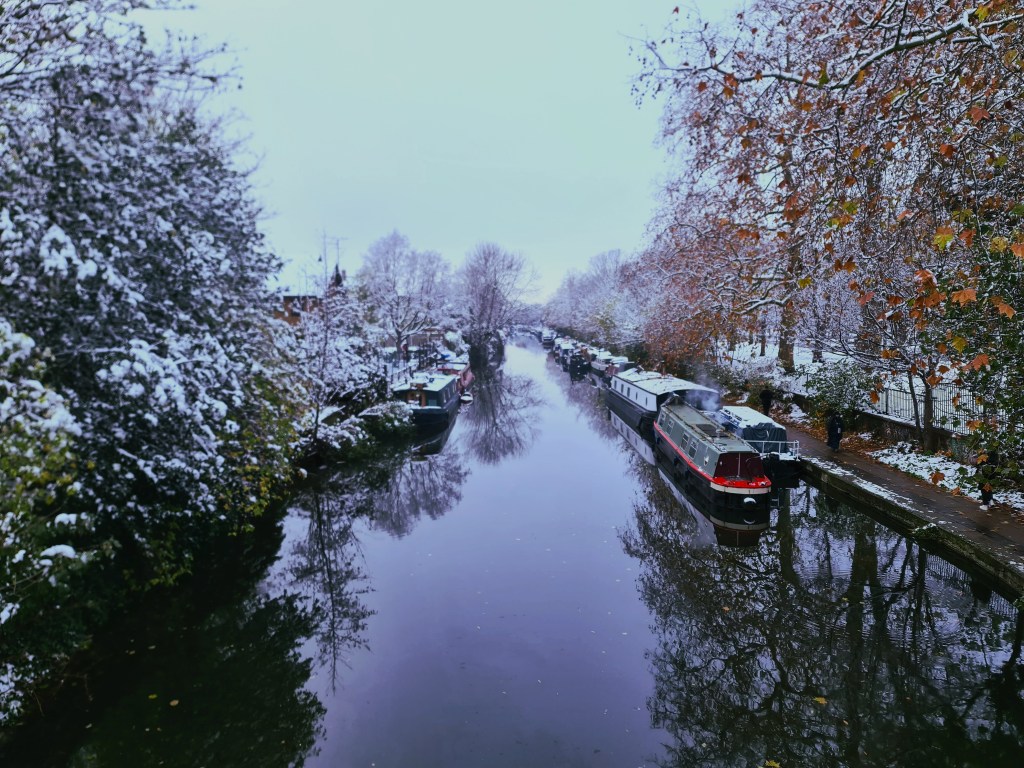
December was unseasonably mild this time around, with an average temperature of about 10°C. See below a picture of December the year before. But the frost has come for us in January, with snow in the South yesterday, and I have timed my departure delightfully well. That being said, there is an anxiety induced from leaving a boat unattended during the winter months when the temperatures are below freezing. Let’s get into “winterising”. This is the process of preparing your boaty boat to face the elements without you.
It starts with shutting off the gas canister. Not really a wintery task – just a sensible thing to do when you’re vacant for two weeks. That’s job one.
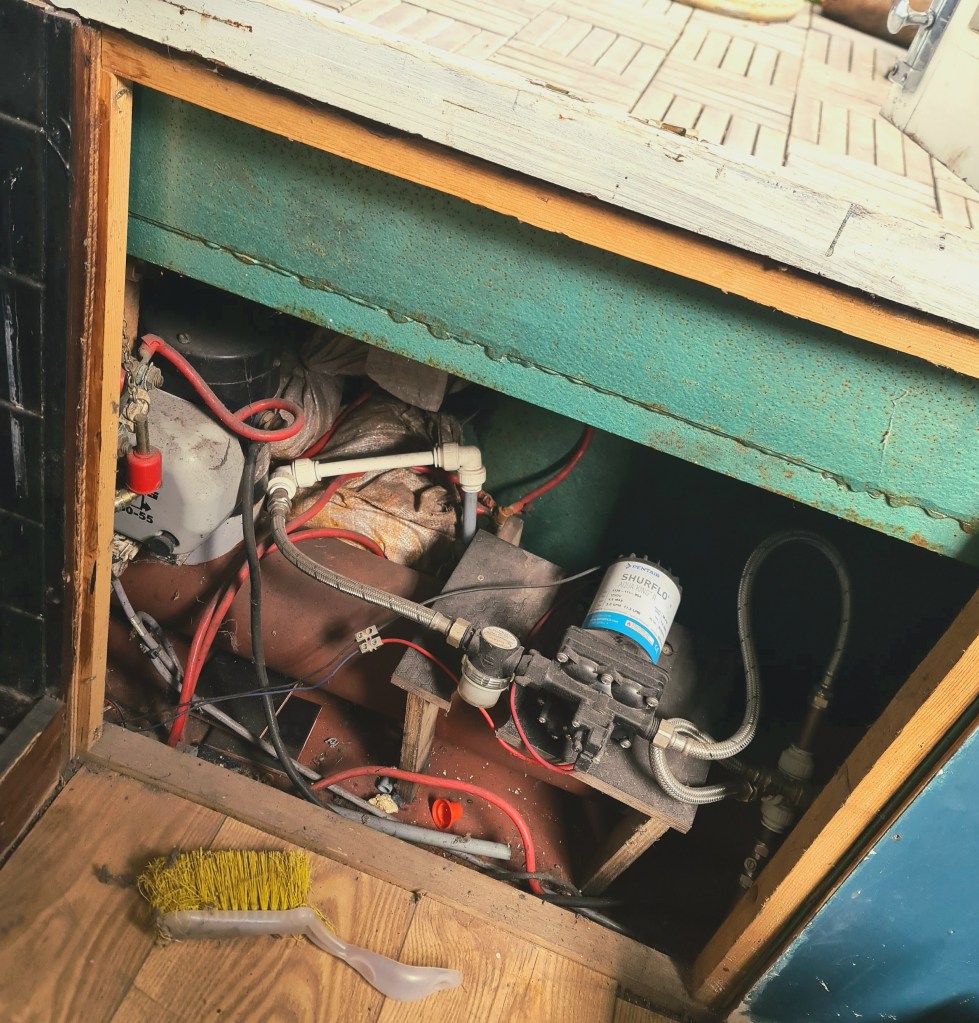
Job two regards pipework. Switch off your water pump and let the taps run dry. This is to avoid pipes freezing and hence bursting as the water inside turns to ice and expands. The reason this matters a lot more with a boat than with a house is because boats are very bad at holding their heat. Shockingly, the one inch of spray foam insulation and nine single glazed windows don’t achieve much in retaining the warmth inside. It also does not help when one third (and hopefully never anymore) of your home is also literally submerged in ice. So in summary, one can expect the cabin to go below zero.
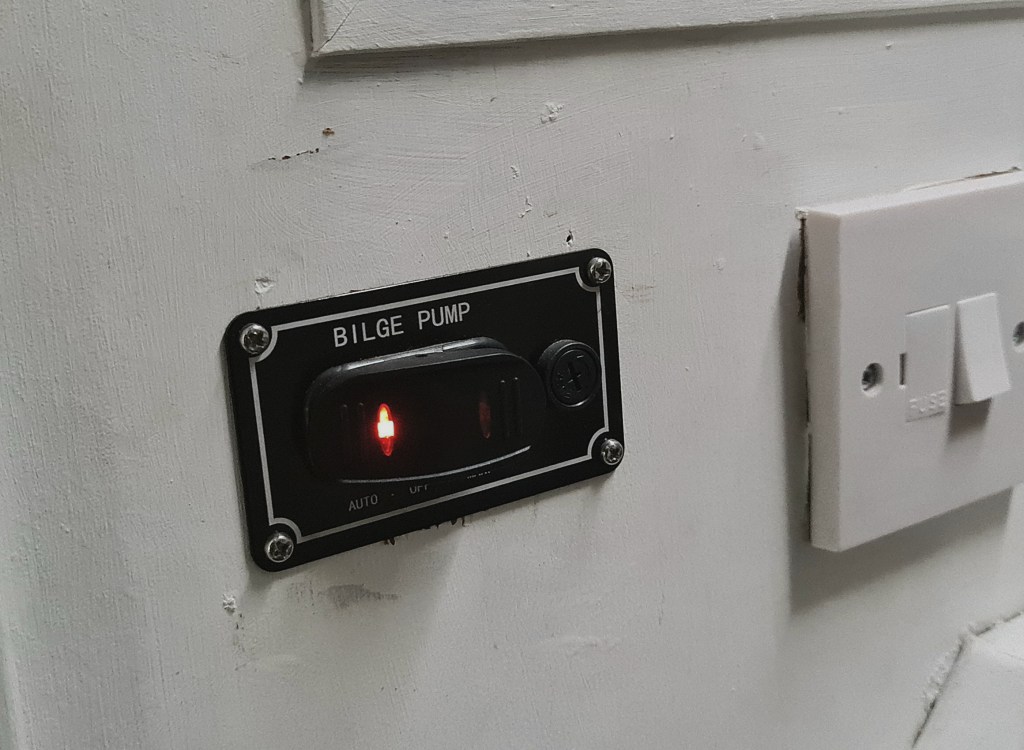
Job three is greasing the stern gland and ensuring the automatic bilge pump is working. There is a leaky hole at the back of the boat. This naturally occurs due to the propeller being external to the hull and the engine (generally) being within it. The regular vibration of the engine and turning of the propeller means maintaining a perfect seal is next to impossible. The solution? Just pump a bit of grease in between cruises and seal said hole. It works a treat. However, if one forgets to do this simple task, the fast dripping can eventually fill the engine bay and sink the boat in a matter of days. Fortunately, most boats have a bilge pump to deal with any unwanted water from the stern gland or perhaps just the rain. If you’re really lucky, like me, the pump is automatic and will siphon out water whenever the level gets too high. When I first moved onto the boat, I didn’t really know about the bilge pump (and I am ashamed to admit the stern gland too) and every time I came home and stepped onto the boat and made her rock, the bilge pump would kick into motion and water would pour out of the side of the boat. This was deeply unsettling, but fundamentally the opposite of sinking so I never looked too much into it.
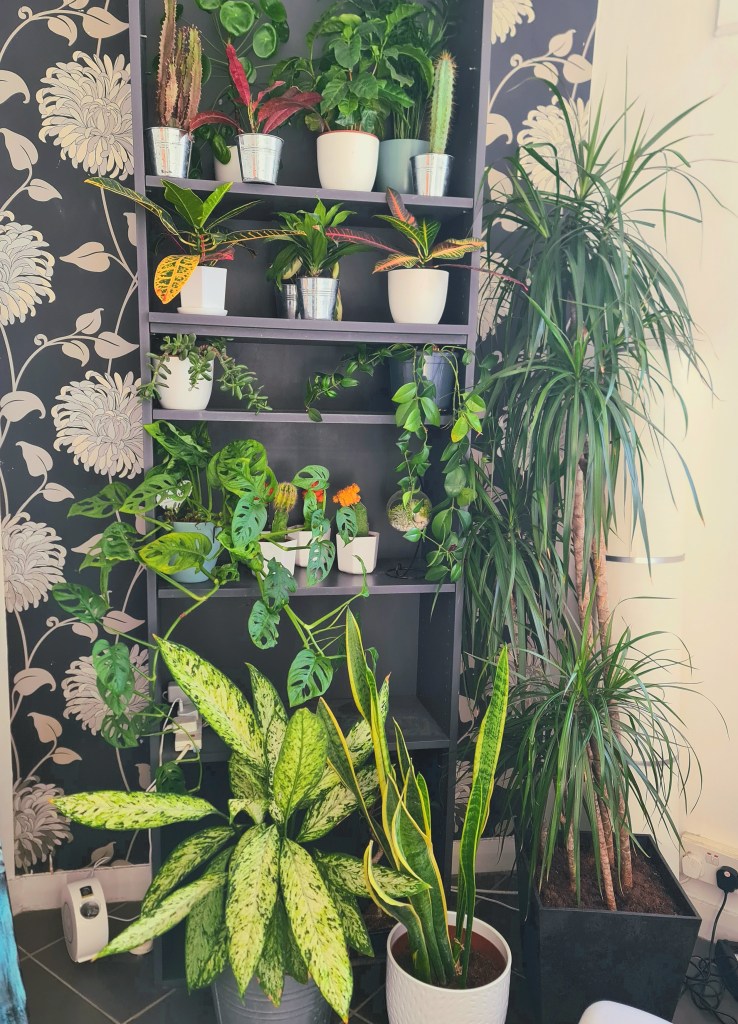
Job four is accepting that all of your plants will probably die. Not due to lack of watering. Due to houseplants being very bad at handling subzero temperatures. This part is hard for me.
In the time I have been writing this, the obnoxious American has left and hopefully caught his train to Paris (he’s France’s problem now). I get good vibes off of the remaining people. We are all going to Brussels (unless anyone got here three hours early for the next Paris train, which even if you’re travelling by North Western Railway beforehand would be a little much). I bet you’re asking why Brussels? Because it’s on the way to Bruges. Everyone knows Brussels is shit. It’s also famously where the UK puts on its worst game face (Nigel Farage). Nevertheless, I have booked two nights there and cannot wait to possibly be disappointed. I will check back in in a week or two to let you know. For now, it is time to board the train.
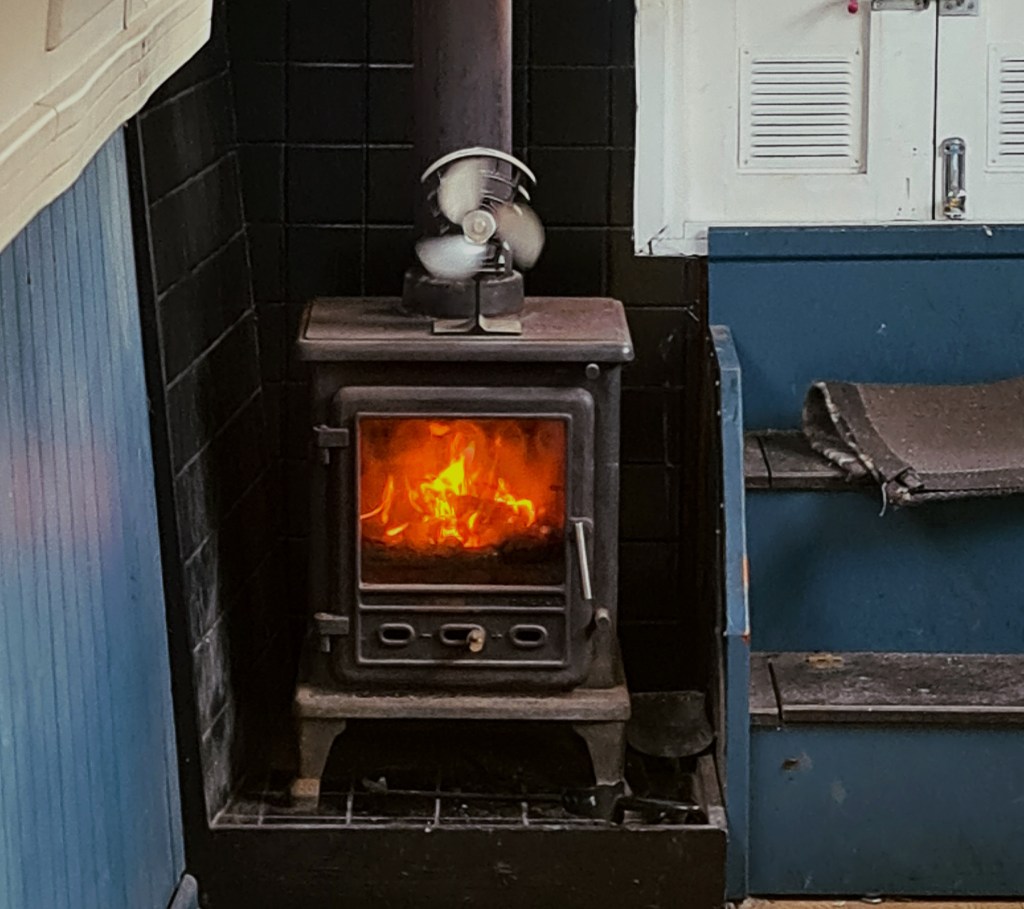
The train is an excellent way to get to and from mainland Europe. Much better than private jets to Leeds. What kind of a cock would do that? Am I right? But don’t worry, what my carbon footprint lacks in air travel is made up for by burning coal… in 2024. Years after the industrial revolution. We boaters do not have access to the gas line (at least, not without taking it apart), so it is either diesel heaters, which are excellent when they work, but like to sporadically pack up costing you £900 to fix, or we burn wood and coal in a multi fuel stove. Some claim that wood is carbon neutral as the CO2 released upon burning it is offset by the CO2 the tree captured during its lifetime. This would be true if we actually planted trees specifically for firewood, but usually we just chop down trees because we fancy it. The other problematic side of wood is that it is a bit filthy for the air. I bought an air quality monitor lately and it did frighten me a bit. Coal, on the other hand, seems to be fairly fine. I should clarify that this isn’t Christmas stocking from my grandma coal (I am still being punished for denouncing the family name). This is perfectly formed low sulphur M&S coal. The type of coal you’d be pleased to find in your stocking. The carbon footprint isn’t brilliant, but honestly, grilling garlic bread is a far greater offence to the air quality. So I’m running with it. And heating such a small space in which the ceiling is two inches above your head does rather minimise the amount of solid fuel required. So quids in, I have calculated that I am average for the environment (at least on the matter of heating, he types, gleefully eating a vegan wrap and sticking his finger up at a man with a beef sandwich opposite).
This particular post has been a form of entertainment for myself whilst completing a rather long journey. I am, however, about to go under the channel where I hear the signal isn’t brilliant, so I had better stop and post this.
 George's blog